

Agri-Cycle’s Story
Agri-Cycle Energy has been around since 2011 and is growing and expanding every day. Keep reading to understand how we went from being a small-scale independent farm to h…
You’ve got the power.
Agri-Cycle is the premier organics recycling service in the United States. We turn wasted food into renewable energy, rich compost and animal feed, so nothing you send us ends up in a landfill.
Food full circle, for grocers, restaurants, schools, hospitals and food producers.

Whether you’re a school, hospital, grocer, restaurant, brewery, or dairy, we have a food-waste management service to meet your needs.
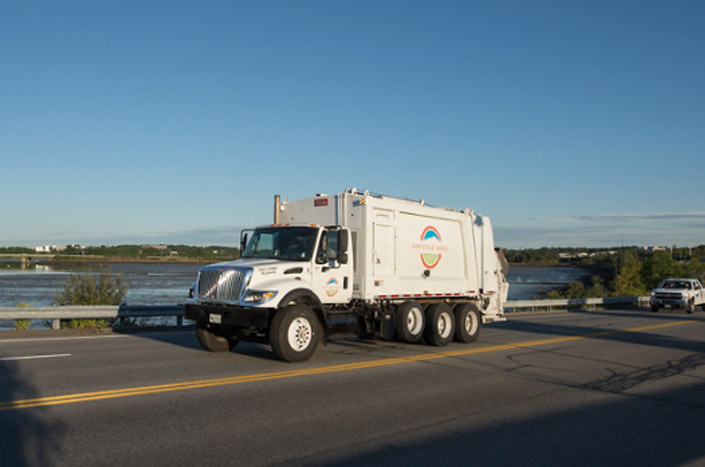
Scheduled route collection using 64-gallon totes, sized for crowded kitchens and busy loading docks alike.
Ideal for

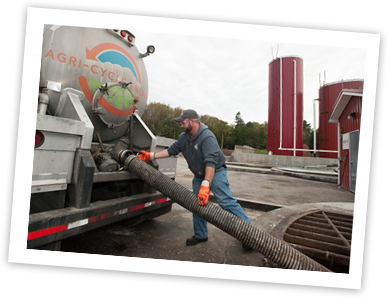
Vacuum-pump tanker trucks for producers whose organics arrive by the thousand gallons.
Ideal for
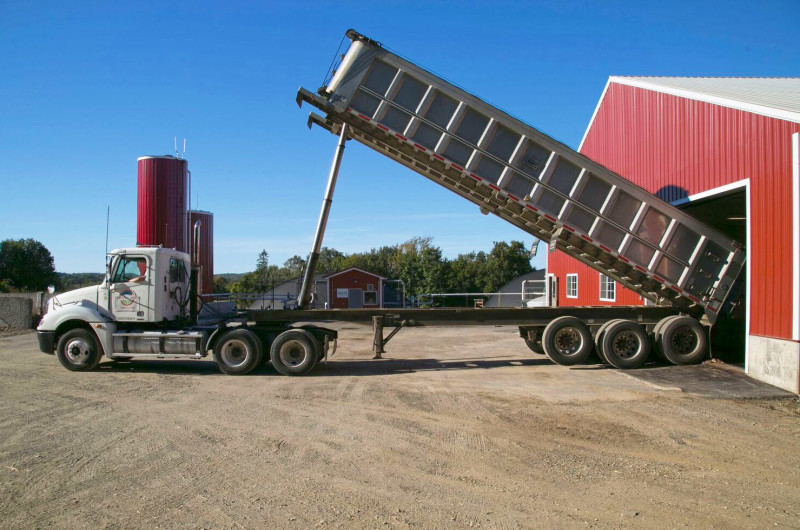
Roll-off containers, gaylord boxes and palletized pickups for mass loss, recalls and one-off events.
Ideal for
The Agri-Cycle loop
Nothing we collect goes to a landfill or an incinerator. After collection and de-packaging, each stream goes to the end use that suits it — digestion to energy, composting to soil amendment, or animal feed. Tap any stage to see what happens.
Shaded: the three end uses — each stream goes to the one that suits it
Step 01
Produce, meat, seafood, dairy, brewery and industrial streams are collected from restaurants, grocers, brewers and institutions — packaged or loose.
Step 02
A diverse fleet of rear-loaders, dump trailers and vacuum-pump tankers keeps every load travelling no further than it has to.
Step 03
Paddles, blades and screens separate expired or damaged food from its plastic, metal or cardboard container, recovering what is still valuable.
Step 04 · one of 3 end uses
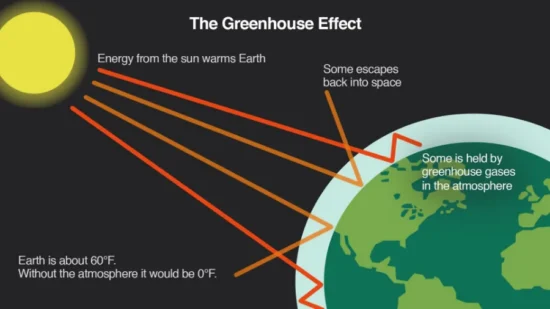
Microorganisms break down the organics without oxygen, and the methane is captured rather than released to the atmosphere. The biogas is combusted for electricity and heat or processed into renewable natural gas; bio-separators recover the digestate.
Produces
End uses: Anaerobic digestion · Composting · Animal feed
Step 04 · one of 3 end uses
Some food waste is a better fit for composting — coffee grounds, clean source-separated organics, or bulk by-products of production facilities. The finished compost goes to farmers, stores and gardeners.
Produces
End uses: Anaerobic digestion · Composting · Animal feed
Step 04 · one of 3 end uses
Food scraps that suit it go to the animal feed outlets in our partner network — Agri-Cycle works with companies like Against The Grain to turn food waste into animal feed.
Produces
End uses: Anaerobic digestion · Composting · Animal feed
Step 05
Nutrients return to the fields that grow the next crop — and the cows whose manure co-digests with your scraps. Food, full circle.
State policy
Tap a state to see its food waste rules and the bills its legislature took up in 2026. Regardless of your state’s laws, diverting scraps from landfill disposal reduces your trash and trash fees, cuts greenhouse gases, and creates renewable energy and farm products.
2026 food waste bills
In 38 state legislatures. Tracker updated July 21, 2026.
Food waste bills in the 2026 session
The Food Waste Recycling Law requires large generators to divert food waste when an authorised facility is within range.
2026 bills
2 enacted24 pending1 dead
Waste Reduction
Jan 13, 2026 — Withdrawn Because Approved P.L.2025, c.228.
Schools
Jan 13, 2026 — Withdrawn Because Approved P.L.2025, c.309.
Tax Incentive
Jun 8, 2026 — Referred to Senate Budget and Appropriations Committee
Donation Program or Donation Requirement
Jun 1, 2026 — Introduced in the Senate, Referred to Senate Health, Human Services and Senior Citizens Committee
Composting/AD Permitting
May 4, 2026 — Received in the Senate, Referred to Senate Environment and Energy Committee
Tax Incentive
Mar 19, 2026 — Introduced, Referred to Assembly Agriculture and Natural Resources Committee
Donation Program or Donation Requirement
Mar 19, 2026 — Introduced in the Senate, Referred to Senate Environment and Energy Committee
Other
Feb 24, 2026 — Introduced in the Senate, Referred to Senate Economic Growth Committee
Funding
Feb 12, 2026 — Introduced, Referred to Assembly Agriculture and Natural Resources Committee
Awareness, Date Labeling
Jan 13, 2026 — Introduced, Referred to Assembly Consumer Affairs Committee
Donation Program or Donation Requirement
Jan 13, 2026 — Introduced, Referred to Assembly Children, Families and Food Security Committee
Tax Incentive
Jan 13, 2026 — Introduced, Referred to Assembly Agriculture and Natural Resources Committee
Composting/AD Permitting
Jan 13, 2026 — Introduced, Referred to Assembly Environment and Solid Waste Committee
Other
Jan 13, 2026 — Introduced, Referred to Assembly Environment and Solid Waste Committee
Source Separation and Recycling Requirements
Jan 13, 2026 — Introduced, Referred to Assembly Environment and Solid Waste Committee
Composting/AD Permitting
Jan 13, 2026 — Introduced, Referred to Assembly Environment and Solid Waste Committee
Schools
Jan 13, 2026 — Introduced, Referred to Assembly Children, Families and Food Security Committee
Liability Protection
Jan 13, 2026 — Introduced in the Senate, Referred to Senate Environment and Energy Committee
Date Labeling
Jan 13, 2026 — Introduced in the Senate, Referred to Senate Environment and Energy Committee
Source Separation and Recycling Requirements
Jan 13, 2026 — Introduced in the Senate, Referred to Senate Environment and Energy Committee
Donation Safety, Schools
Jan 13, 2026 — Introduced in the Senate, Referred to Senate Environment and Energy Committee
Awareness, Donation Program or Donation Requirement
Jan 13, 2026 — Introduced in the Senate, Referred to Senate Health, Human Services and Senior Citizens Committee
Composting/AD Permitting
Jan 13, 2026 — Introduced in the Senate, Referred to Senate Environment and Energy Committee
Funding
Jan 13, 2026 — Introduced in the Senate, Referred to Senate Health, Human Services and Senior Citizens Committee
Awareness
Jan 13, 2026 — Introduced in the Senate, Referred to Senate Environment and Energy Committee
Schools
Jan 13, 2026 — Introduced in the Senate, Referred to Senate Environment and Energy Committee
Other
Jan 13, 2026 — Withdrawn Because Approved P.L.2025, JR-19.
Tile positions are stylised, not geographic. Organics policy changes often and thresholds vary by facility distance and generator size — confirm current rules with your state, or check the ReFED Policy Finder, produced with the Food Law and Policy Clinic of Harvard University. Bill status from the state legislation tracker Divert and the Harvard Law School Food Law and Policy Clinic keep for the Zero Food Waste Coalition, updated July 21, 2026.
Many states place bans on businesses that produce large amounts of food waste — usually 50 to 100 tons annually, and in some states far less.
Some bans extend to residents as well, with a focus on removing food waste from individual households’ garbage.
Many residential bans or incentives sit at the city or county level for large urban centers. Check whether one of your locations is covered.
Some states instead provide tax breaks and other incentives for food donations or other higher-use situations.
Agri calculator
Tell us roughly what you throw away and how far your trash currently travels. We’ll show the greenhouse gases you’d avoid by sending it to a digester instead.
You would avoid, per year
116MT CO2e
208 tons diverted27,040 kWh generated
25
gasoline cars off the road
for a full year
2.6
homes powered
with the electricity generated
1,926
tree seedlings grown
for ten years
13,000
gallons of gasoline
never burned
How it works. Tons diverted = amount per week × 52 weeks (or amount per day × event days). Avoided emissions = tons diverted × 0.53 MTCO₂e, plus the diesel no longer burned on landfill trips (round-trip miles × pickups ÷ 6 mpg × 10.18 kg CO₂e per gallon). Electricity = tons diverted × 130 kWh. Equivalencies divide the totals by the EPA and EIA factors below.
Common questions
All food scraps collected by Agri-Cycle are sustainably managed at partner anaerobic digestion or composting facilities, and never go to landfills or incinerators. The food waste is converted to renewable energy or rich compost, and in some cases animal feed.
See all FAQsEverything you’d put in your backyard compost pile: vegetable and fruit trimmings, eggshells, breads, grains, meat and fish scraps, dairy products, soiled coffee filters, paper towels and more. Thanks to our state of the art de-packaging capabilities, we can also accept food products still in their packaging. Our only exception is that we cannot accept any glass, diapers and a handful of other items.
No, you don’t. We accept all damaged or expired packaged foods, including items in metal cans, plastic jugs and cardboard boxes. We do encourage you to separate as much of the food from its containers as possible to maximize space and keep program costs down. We do not accept packaging with a low volume of waste or anything packaged in glass.
We’re in this together, and like you, we do not want any odor or pest nuisances at your location. We customize your collection plan after a visit to learn your specific needs, and we replace the liner each time we empty your totes, which keeps odors to a minimum and makes them less attractive to pests.
It depends, but our fees are typically competitive with, if not cheaper than, your current disposal costs. We get familiar with your operation first, then provide a plan and estimate that fits your needs and sustainability goals.
Speak with your current waste provider and let them know you’d like to work with us on a food waste program. A good partner will adjust your service. If your hauler won’t, we can give you the names of other haulers who would be happy to work with you.
Testimonials
Colleges, food banks and hotels on what changed when they switched their food waste to Agri-Cycle.
Rarely are there solutions for waste streams that are convenient, less work, and less expensive, but we have found one.
We changed our composting vendor at the beginning of last year to Agri-Cycle and we are quite happy. The pickup process is more convenient and less work for our staff; we can send Agri-Cycle a wider variety of compostable food and products which means less sorting on site; and it is less expensive than our previous composting process and substantially cheaper than the landfill. Rarely are there solutions for waste streams that are convenient, less work, and less expensive, but we have found one.
Thanks to Agri-Cycle, the Food Bank is saving money and staff labor that we previously spent dealing with waste. Every dollar saved is a dollar that can provide 4 meals to a Maine family facing hunger.
The cost is offset by the tonnage we are not putting in our dumpster, which would be incinerated otherwise. We know that our food scraps are going to good use.
Agri-Cycle has been a great partner with Bowdoin’s Sustainability Office, attending our campus sustainability fairs, educating our student employees, and attending campus lunch-and-learn talks to share Agri-Cycle’s unique process of using our campus food waste to generate electricity, animal bedding and compost.
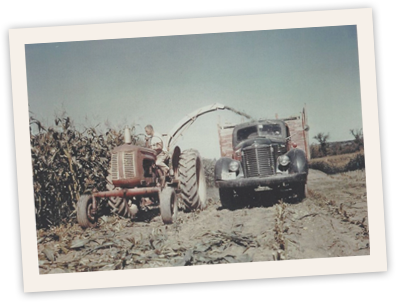
but the 5th generation is as committed to making the best use of the farm as the first. Now in addition to the dairy, we’re creating renewable power and setting a national standard for others to follow.
From the blog
Practical guidance, policy updates and research on the true costs of wasted food.
Company NewsPress
Agri-Cycle Energy has been around since 2011 and is growing and expanding every day. Keep reading to understand how we went from being a small-scale independent farm to h…
Read article
Company NewsTips and Tricks
In the previous segments of our series, we’ve explored the economic and environmental repercussions of food waste. Yet, the story doesn’t end there. Food waste deeply imp…
Read article
Company NewsTips and Tricks
Environmental Impacts of Food Waste. In the first part of our series, we delved into the staggering economic costs of food waste. But the implications don’t stop at our wallets…
Read article